Baking
Ostertörtchen
Easter Cupcakes
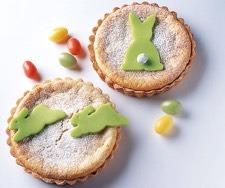
Little Easter tarts with a creamy rice, almond and lemon filling in a sweet shortcrust.
 An Easter tradition throughout Switzerland
Zutaten
IngredientsShortcrust (for tart molds of 3.5–4.5 in)
Filling
Tick off ingredients as you go.
Nährwerte
Nutrition · per tart
| Energy | 1904 kJ / 456 kcal |
|---|---|
| Fat | 25 g |
| of which saturates | 12 g |
| Carbohydrate | 46 g |
| of which sugars | 21 g |
| Fibre | 1.7 g |
| Protein | 10 g |
| Salt | 0.77 g |
Estimate for the original amounts, per tart. Salt added to taste is not included. Calculated from the Swiss Food Composition Database (V7.1, FSVO).
Zubereitung
DirectionsShortcrust
- 1
Mix the flour, salt, sugar and butter in a bowl. Add the egg and stir into a soft dough. Cover and chill for about 30 minutes.
- 2
Line the tart molds with the dough.
Filling
- 3
Bring the milk, rice and salt to a boil, reduce the heat and cook for 25 minutes, stirring occasionally, until thick but still moist. Let cool.
- 4
Beat the 50 g sugar with the egg yolks until frothy and mix into the rice.
- 5
Beat the egg whites with 2 tbsp sugar and a pinch of salt until stiff and fold into the rice.
- 6
Mix in the cream cheese, lemon, almond meal and 2 tbsp sugar. Whip the cream and fold everything together.
- 7
Fill the tart shells and bake for about 35 minutes at 200 °C in the lower half of the oven. Dust with powdered sugar to decorate.

En Guete!
Bon appétit · Buon appetito · Bun appetit · Enjoy your meal
First published in the Arizona Swiss Society's Valley Echo newsletter, Spring 2019.
A bit of history
Geschichte
Where Ostertörtchen comes from, gathered from reliable sources such as the Culinary Heritage of Switzerland inventory.
Ostertörtchen are the small end of the Swiss Osterfladen, a round Easter cake with a rice or semolina filling made in sizes from small Küchlein to large tarts. Easter cakes have deep roots: according to Basel historian Eugen A. Meier, flat cakes were blessed by the priest in 14th-century Basel, and in 1513 the nuns of Basel's Maria-Magdalena convent ate Osterfladen at Easter. The first recipe close to today's version, "Ein dorten oder fladen von Reiss", appears in Anna Wecker's 1598 cookbook. Until after 1800, Ziger cheese, rice or semolina were equally common fillings; the rice or semolina filling only became standard at the end of the 19th century.
Sources
- Osterfladen · Kulinarisches Erbe der Schweiz
More from our kitchen
Keep the oven warm

Toétché jurassien
Jura Cream Tart
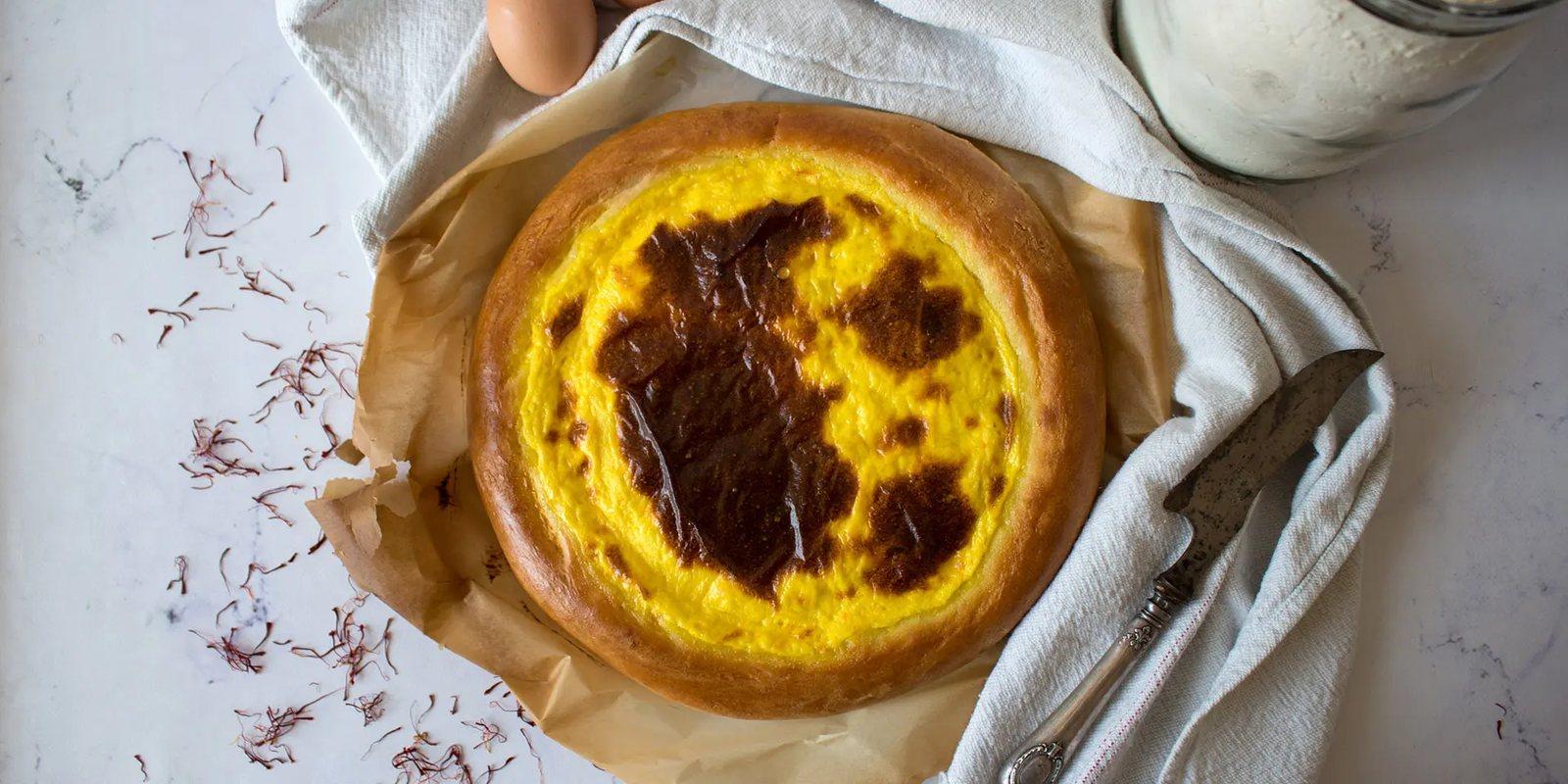
A Swiss Wähe from the Jura: a thin yeast dough under a rich cream and saffron custard. In the canton of Jura it is also known as St. Martin's Tart.
Appenzeller Schlorzifladen
Cheese and Pear Tart
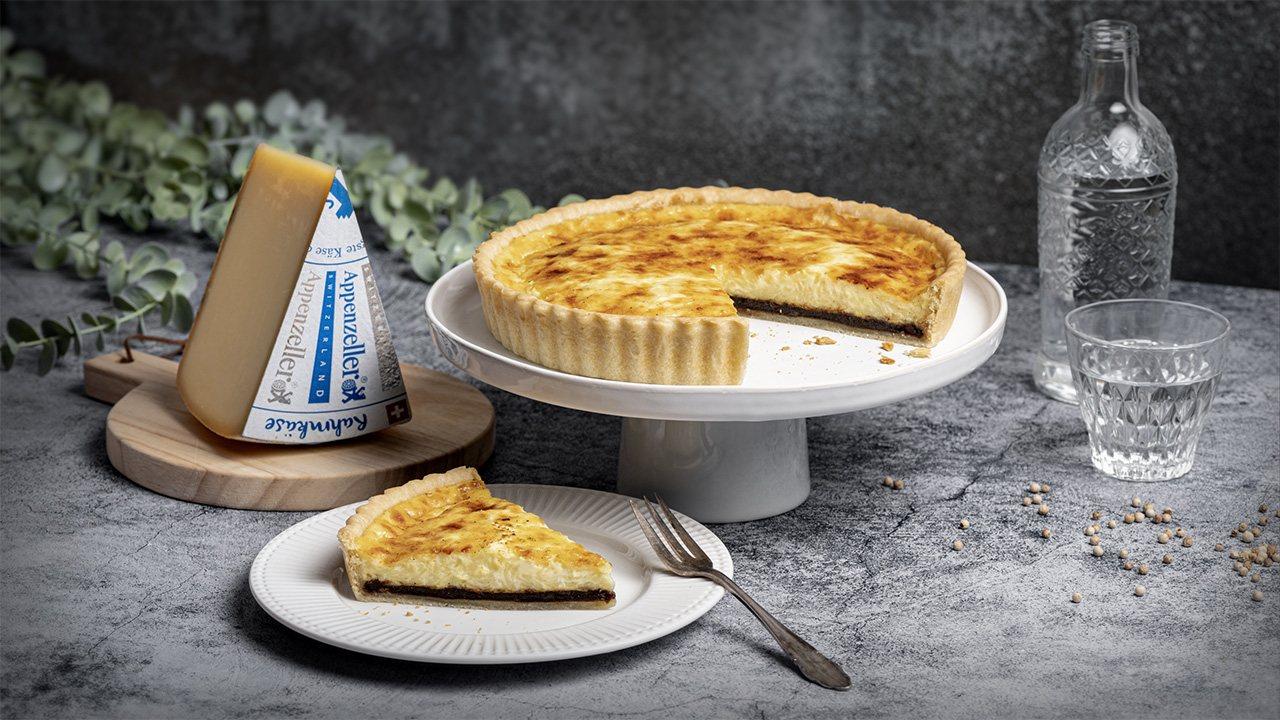
A salty-sweet take on the Schlorzifladen: mild Appenzeller cream cheese over a pear filling, which it complements without overpowering.
Gâteau de Pâques
Osterfladen · Swiss Easter Tart
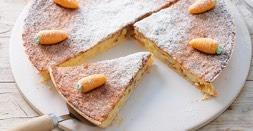
The Swiss Easter tart: a creamy filling of rice pudding, quark, almonds and sultanas in a shortcrust shell, dusted with icing sugar.