Side Dish
Rotchabis auf flämische Art
Chou Rouge à la Flamande
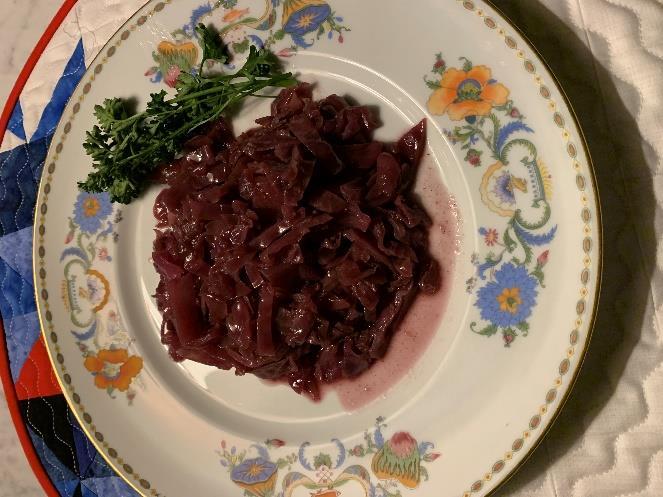
Flemish Red Cabbage
Red cabbage braised slowly in red wine with potatoes, onion and butter. Low heat, plenty of patience, and a glass for the cook.
Zutaten
IngredientsTick off ingredients as you go.
Nährwerte
Nutrition · per serving
| Energy | 786 kJ / 189 kcal |
|---|---|
| Fat | 8.2 g |
| of which saturates | 4.7 g |
| Carbohydrate | 21 g |
| of which sugars | 8.5 g |
| Fibre | 6.4 g |
| Protein | 3.8 g |
| Salt | 0 g |
Excludes the glass of wine for the cook.
Estimate for the original amounts, per serving. Salt added to taste is not included. Calculated from the Swiss Food Composition Database (V7.1, FSVO).
Zubereitung
Directions- 1
Bring the red wine to a light simmer (not a boil) in a casserole pot or Dutch oven. Add the cabbage, potatoes and onion.
- 2
Add the butter and bay leaf and cover the pot.
- 3
Cook the cabbage on low heat for at least 3 hours. Season to taste.
- 4
Drink the 150 ml of fine red wine.

En Guete!
Bon appétit · Buon appetito · Bun appetit · Enjoy your meal
First published in the Arizona Swiss Society's Valley Echo newsletter, Spring 2021.
A bit of history
Geschichte
Where Rotchabis auf flämische Art comes from, gathered from reliable sources such as the Culinary Heritage of Switzerland inventory.
Red cabbage has deep roots in European kitchens. According to the agricultural agency of the German state of Hesse, cabbage growing originated in the Mediterranean region, with the first descriptions found among the ancient Greeks and Romans, and red cabbage was first mentioned in writing in the 12th century by Hildegard von Bingen, who distinguished red cabbage from white. The name "à la flamande", Flemish style, appears in Auguste Escoffier's Le Guide culinaire of 1903, which includes a recipe for chou rouge à la flamande.
Sources
- Was Sie schon immer über Blaukraut – pardon Rotkraut – wissen wollten · Landesbetrieb Landwirtschaft Hessen
- Chou Rouge à la Flamande (Le Guide Culinaire, Auguste Escoffier) · ckbk
More from our kitchen
Something good on the side
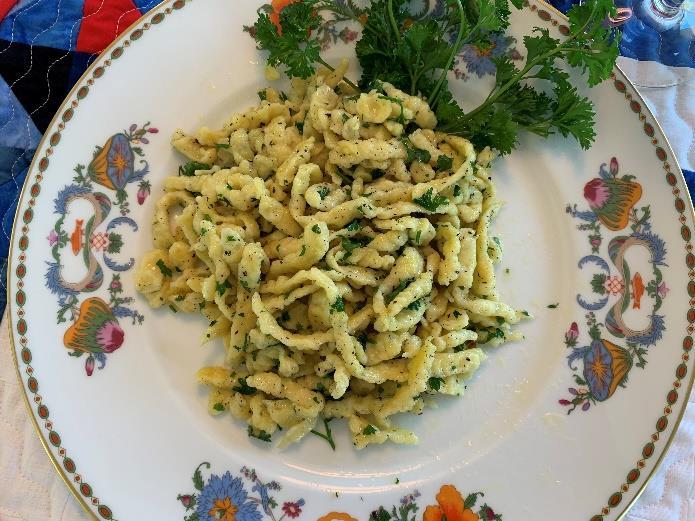
Swiss Spätzli
Spätzle · Spaetzle
Little egg dumplings pressed straight into simmering water, then tossed in butter. Serve them as a side to your main dish, or enjoy them just as they are.
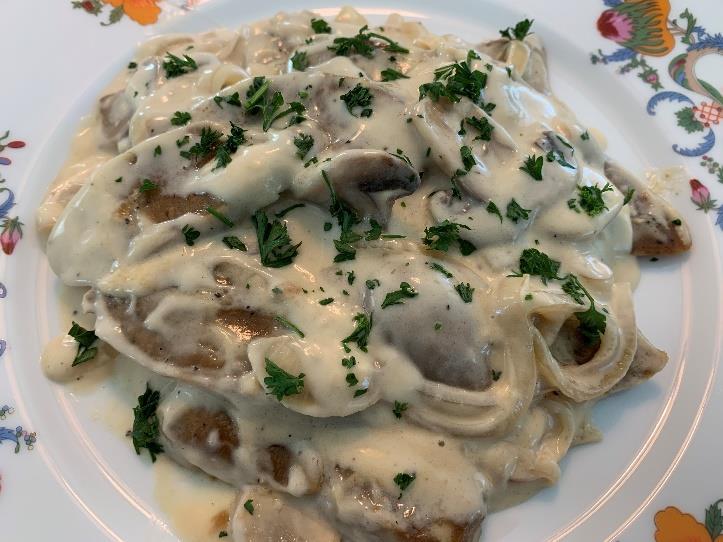

Zürcher Geschnetzeltes
Emincé de Veau à la Végétarienne
The Zürich classic: tender strips in a mushroom, white wine and cream sauce. Use veal, or make it vegetarian with a substitute such as vegetarian apple sausage.
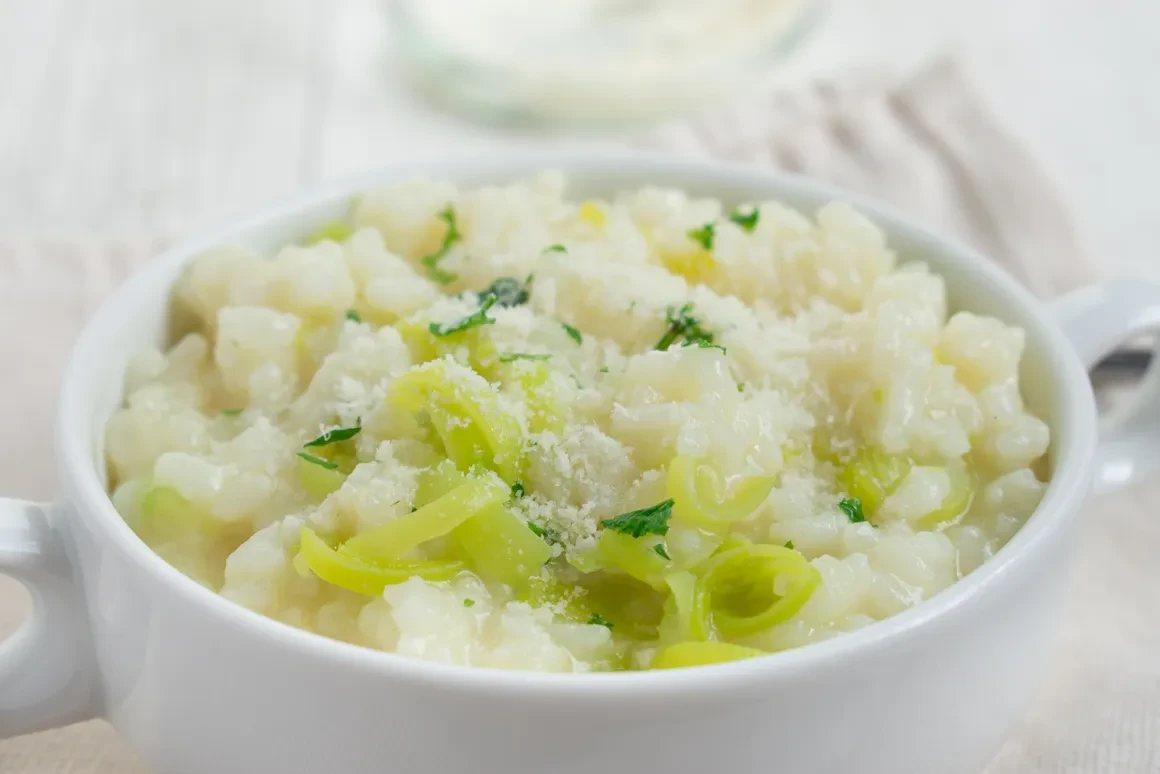

Rispor
Ryys und Porree · Rice with Leeks
As its name suggests, this dish from Uri is made with rice and leeks. The recipe is very old: its first traces go back to cookbooks of the 18th century.